Does Shaving Affect Acne?
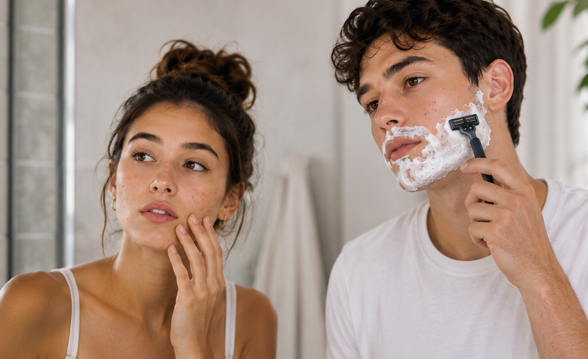
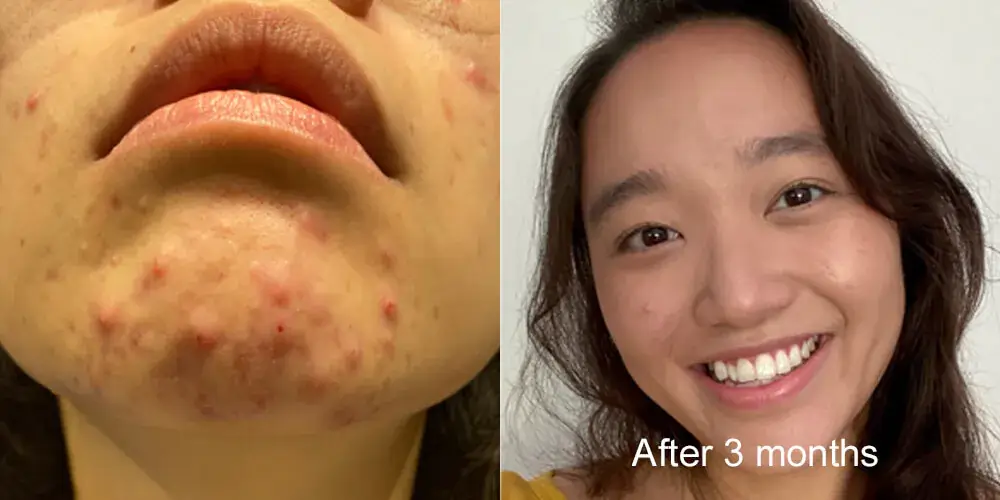
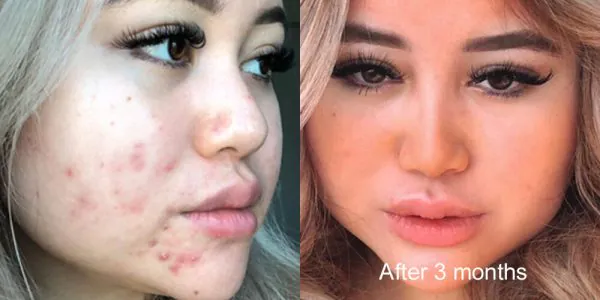
Men (also women) of all ages are susceptible to getting pimples after shaving. Pimples are caused by bacteria in our skin and shaving it and having your open pores exposed often results in infection. This is also commonly known as shaving acne.
It’s tricky to shave when you have acne or existing breakout. Though not all bumps on your face after a shave is acne, it may be a razor bump. Razor bumps are ingrown hairs, often caused when a razor blade cuts the hair just beneath the skin’s surface. They frequently occur with cartridge razors as they lift the hair and cut with each pass.

The razor blades on cartridge razors work in tandem with one another. One blade lifts the hair slightly, and the second follows close behind to cut the follicle. With each pass, the hair gets cut so low that the tip sits just beneath the surface of the skin. As the hair regrows, it may turn inward. Men with curly hair are especially susceptible to razor bumps. Choice of razor matters — safety razors, beard trimmers, and select cartridge razors can help prevent razor bumps as they don’t cut as low.
Shaving acne appears similar to razor bumps but is fundamentally different. Shaving acne is a minor bacterial infection that occurs in the skin pore after shaving. It may be a byproduct of a poor shaving routine, so it’s important to look at each aspect of your regimen and make changes accordingly.
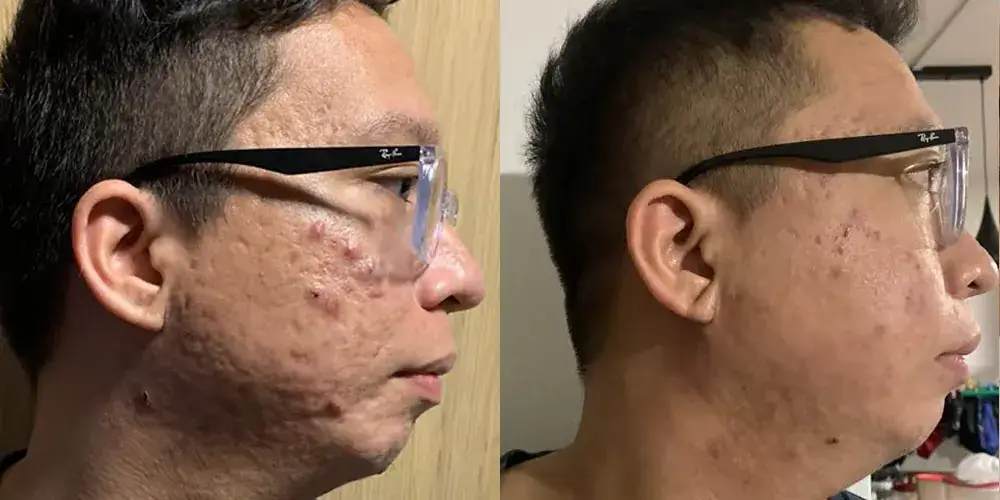
Razor Bumps and Ingrown Hair are commonly mistaken as typical acne.
Common Causes of Shaving Acne
Razor Type: Cartridge and disposable razors have a multi-blade head that causes more blades to contact your skin with each pass, cutting hair lower. Hair cut too low allows an infection to form in the pore. A single-blade safety razor is highly recommended.
Safety Razor
Dirty and Dull Razor: Always use a clean, sharp razor. A dull razor causes you to shave the same area repeatedly, leading to more irritation. Clean your razor after every use to remove hairs, dead skin, leftover products, and bacteria — not cleaning it also dulls the blade faster.

Improper Skin Cleaning: Always wash or exfoliate the area before shaving to remove dead skin cells and bacteria. Skipping this step may press dirt and pollutants further into pores, worsening acne.
Over-Applying Pressure: Pressing too hard irritates your skin and cuts hair too low. Let the weight of the razor do the work.
Shaving Grain: Always shave with the grain (the direction your hair grows), especially with a cartridge razor. Shaving across or against the grain may cause acne by cutting hair too low, allowing infection to form.

Allergic Reaction: Some shaving products contain ingredients that may irritate your skin. Consider switching to a product with a different ingredient set.
Shaving Brush Stand: If using a shaving brush, store it bristle-side down to drain moisture and prevent bacteria and mold from growing.
Shave Frequency: Shaving is stressful for your skin and frequent shaving may trigger excess oil production. Where possible, take a day or two off between shaves.
Dry Skin: Shaving and some shaving products can dry out your skin, causing excess oil production. Always moisturize after shaving. Note that some aftershave products contain drying agents like alcohol — Skinlycious’ Hydrating Serum is proven suitable as a gentle aftershave moisturizer.
Sources: tiege.com, toolsofmen.com, byrdie.com
About the Author

Jasmine Kang
Founder of Skinlycious - a skincare brand built specially for acne-prone, oily-prone, and sensitive skin. A mompreneur with a Biomedical Science degree and a Diploma in Organic Skincare Formulation, Jasmine spent 14 years fighting acne and another 10 years refining her formulas alongside fellow acne fighters to perfect the Skinlycious range.
Her greatest joy? Helping people get clear, smooth and glowing skin and regain confidence through her Match+Balance System™.