
Broad-Spectrum Mineral Sunscreen That Doesn’t Break You Out
Lightweight. Non-greasy. No white cast.
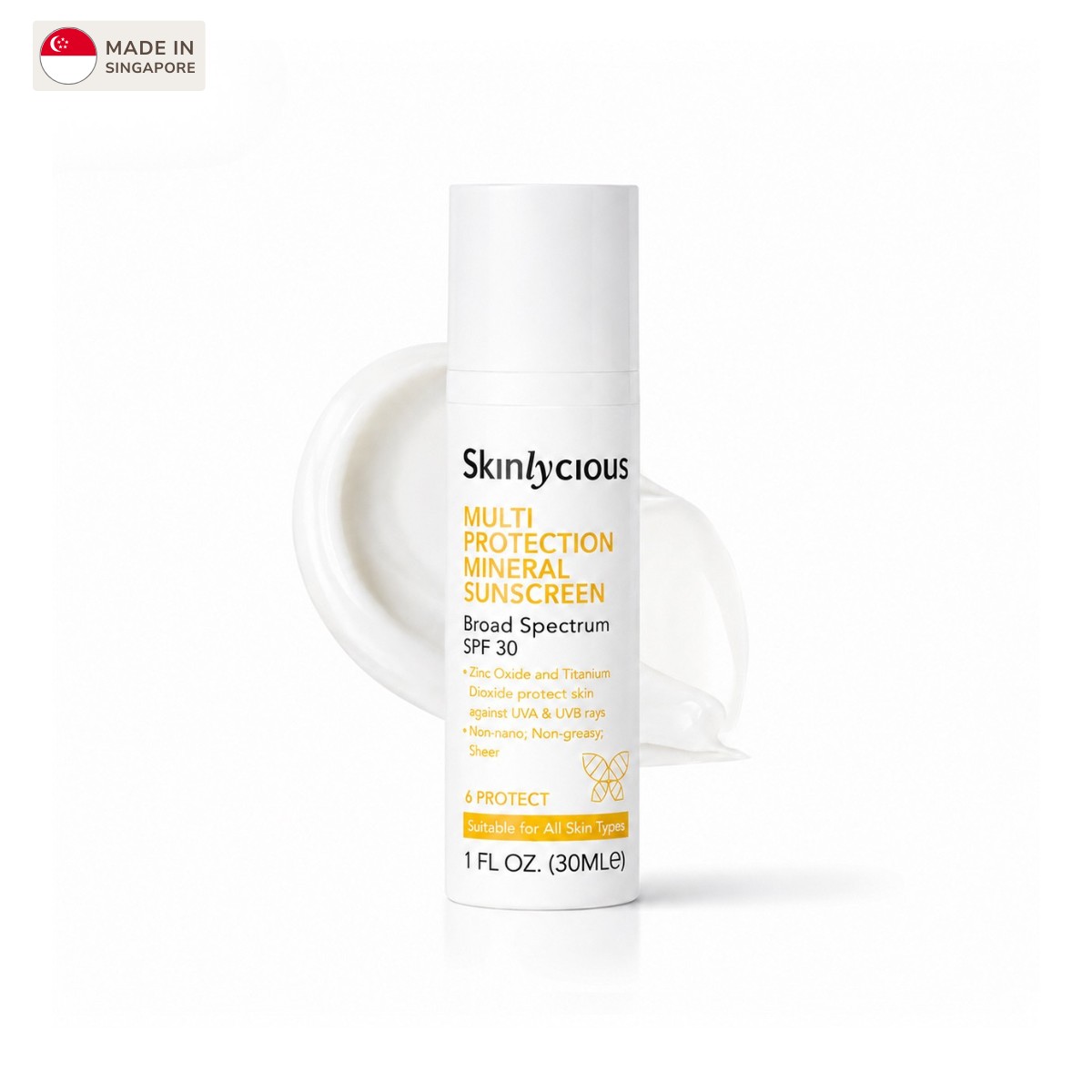
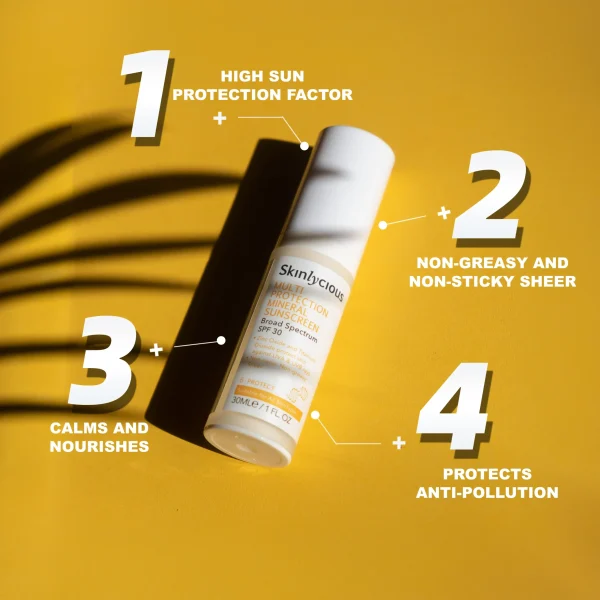
Multi Protection Mineral Sunscreen SPF47PA+++
SGD 65.00




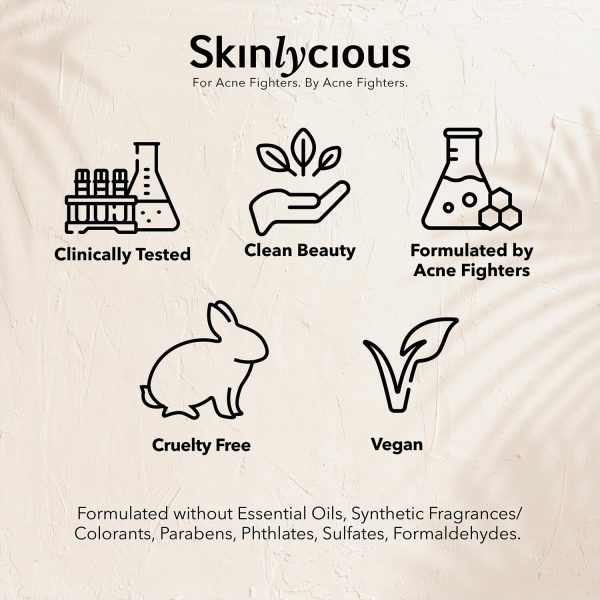
Formulated without Essential Oils, Synthetic Fragrances/Colorants, Parabens, Phthalates, Sulfates, Formaldehydes.
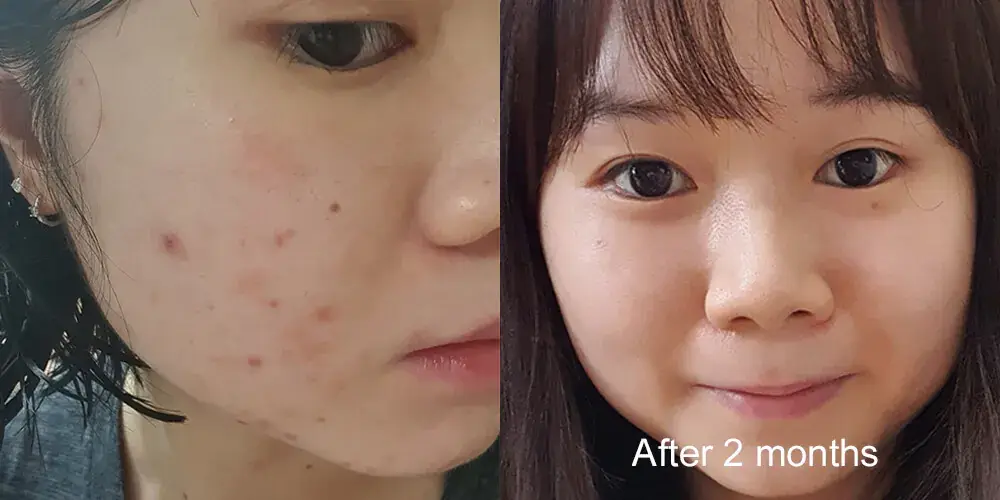
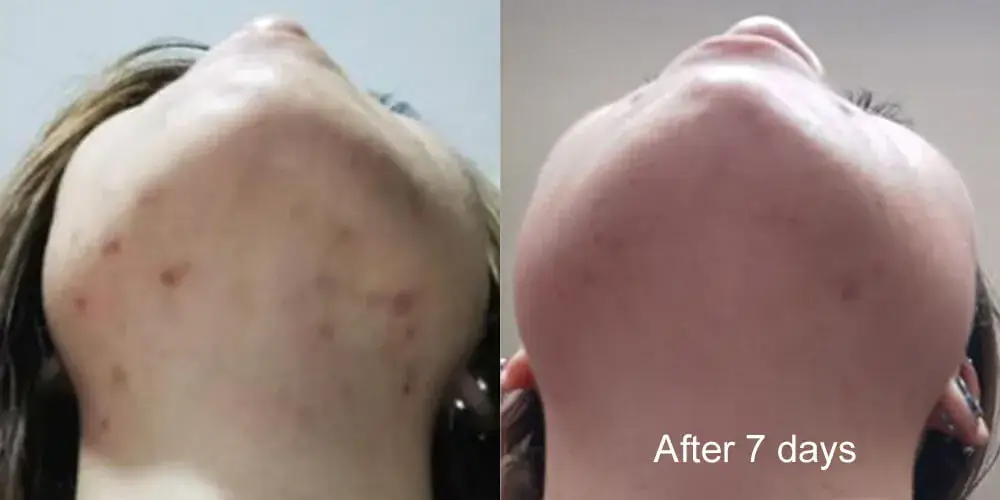
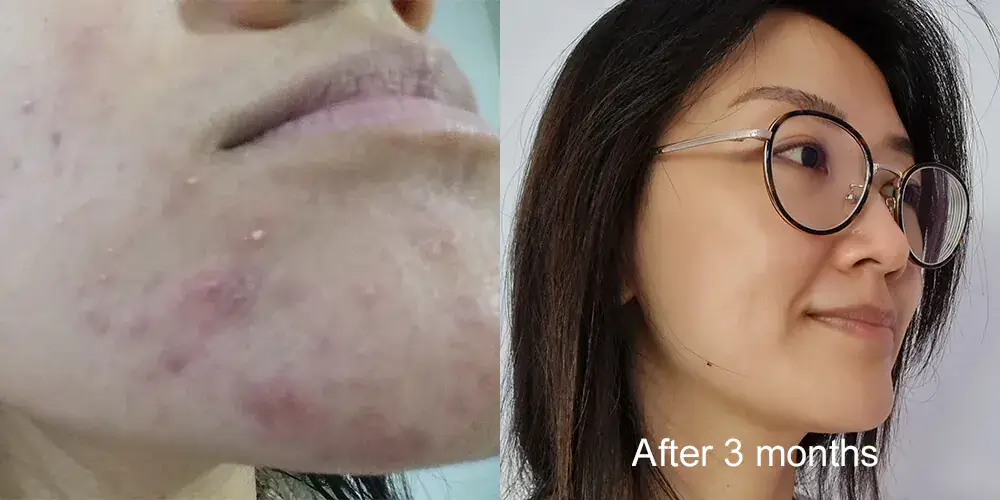
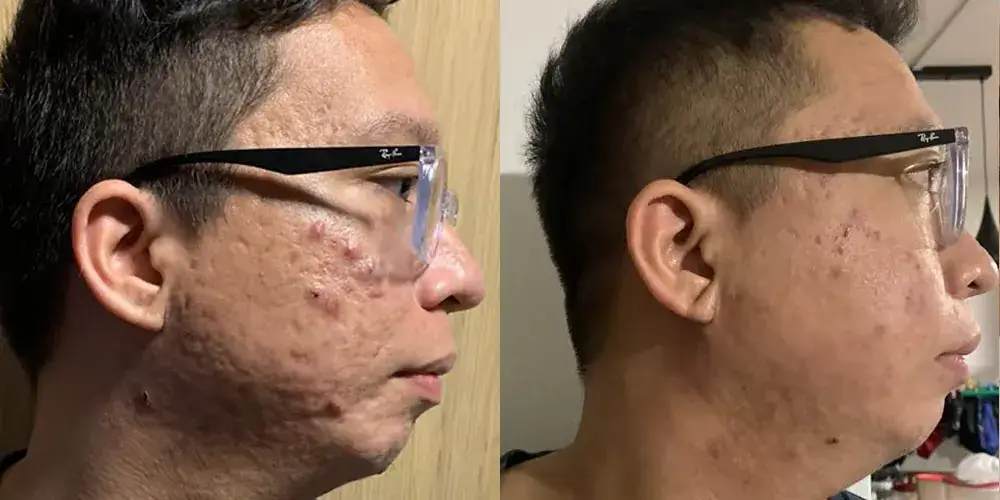
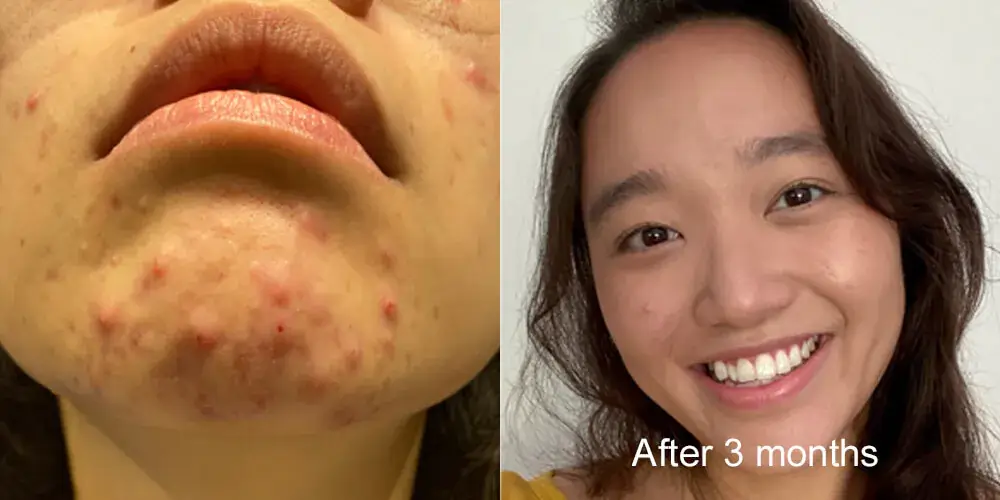
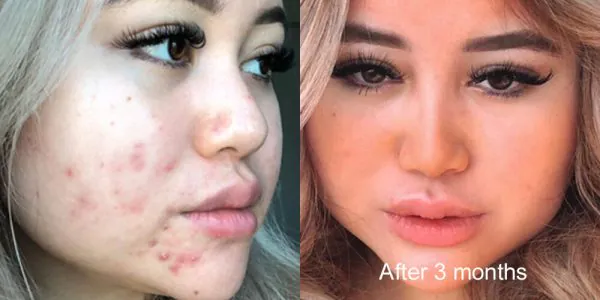
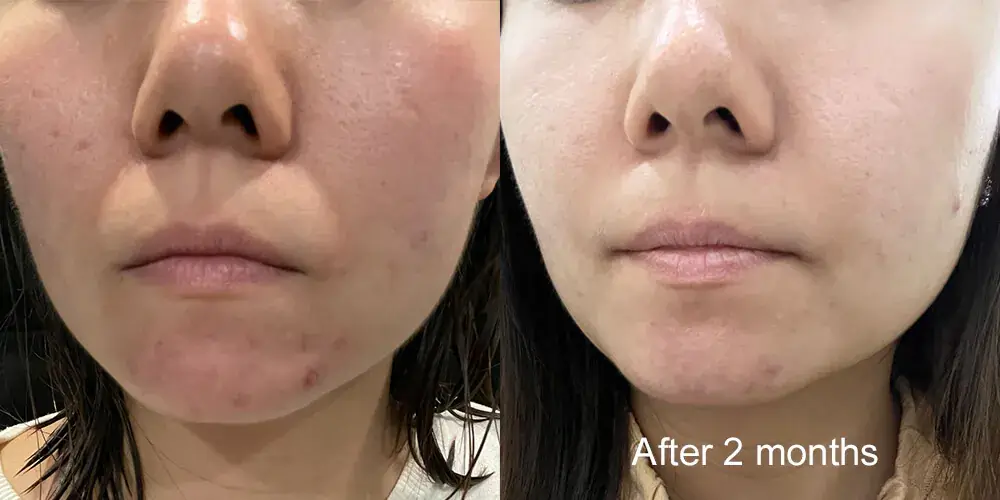
Real Skin Transformations
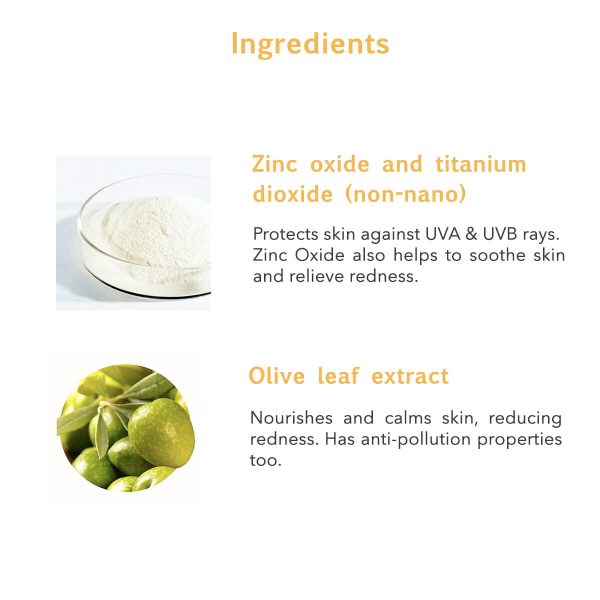
• Zinc Oxide (Non-Nano): Primary UV Filter
The workhorse of this formula. Non-nano Zinc Oxide sits on the skin’s surface and protects against both UVA and UVB rays; it does not absorb into the skin. It provides broad-spectrum protection across the full UV spectrum, including long-wave UVA, which titanium dioxide alone does not cover as effectively. Beyond UV protection, Zinc Oxide has natural soothing properties that help calm redness and sensitivity, making it genuinely beneficial for acne-prone and reactive skin, not just neutral.
• Titanium Dioxide (Non-Nano): Secondary UV Filter
Works in combination with Zinc Oxide to strengthen UVB protection and round out the broad-spectrum coverage. The ratio between Zinc Oxide and Titanium Dioxide is the most critical formulation variable in a mineral sunscreen, and too much of either affects both the protection profile and whether the formula feels comfortable on skin. Jasmine spent 1.5 years adjusting this ratio through dozens of formulations that broke her out before finding the exact balance that delivers the protection target without congesting pores.
Both Zinc Oxide and Titanium Dioxide in this formula are non-nano particle size (too large to penetrate the skin), further supporting safety for sensitive skin and young children. Nano-sized mineral particles (under 100nm) have raised questions about skin penetration and potential environmental impact. Non-nano minerals are also more reef-safe: nano zinc oxide has been shown in studies to be harmful to coral reefs.
• Olive Leaf Extract (Olea Europaea Leaf Extract)
A potent antioxidant and anti-pollution ingredient. Polyphenols in Olive Leaf Extract help neutralise free radicals from UV exposure, pollution, and environmental stressors that standard SPF alone doesn’t address. This is the “multi-protection” in the product name: protection beyond the UV spectrum.
• Allantoin
A skin-soothing agent that calms redness, softens skin, and helps maintain comfort after application. Especially useful in a mineral sunscreen where physical filters can sometimes feel drying or slightly occlusive; Allantoin helps the formula feel comfortable on skin throughout wear.
Jasmine’s decision to formulate a mineral-only sunscreen wasn’t just a skincare preference: it was personal.
Having been through five pregnancies (only two of which were successful), she was extremely careful about what she put on her skin and her children’s skin. Chemical sunscreen ingredients had been found in studies to be absorbed into the bloodstream, detected in urine, and found in breast milk. While current research has not confirmed these chemicals cause harm, Jasmine chose to apply the precautionary principle: if there’s a safe alternative, use it.
The problem was that every mineral sunscreen she tried either left a white cast, felt too heavy and greasy on her oily acne-prone skin, or, most frustratingly, caused breakouts. She didn’t want to use nano-sized minerals either. So she decided to formulate her own.
The challenge: the ratio of Zinc Oxide to Titanium Dioxide is everything. Getting the SPF and PA rating right requires specific concentrations of each filter. But those same concentrations affect how the formula feels on skin and whether it clogs pores. Every version Jasmine tested that hit the protection target broke her out. She went through version after version, adjusting the ratio by small increments, until she found the exact golden ratio that delivered the protection without the breakouts.
After finalising the formula, she sent samples to existing customers for testing. All but one came back with positive feedback: they were surprised a mineral sunscreen didn’t break them out.
The one tester who broke out: and what Jasmine did next. One tester reported breaking out. Rather than assuming it was the formula, Jasmine wanted to confirm whether it was a true reaction or something else. She sent the same formula to the tester under a different name, saying it was a new version. The tester came back saying the “new formula” was completely fine. When Jasmine revealed it was the same product, the tester was shocked, but delighted. The sunscreen was launched knowing every tester, including the one who initially reported concerns, had confirmed it didn’t break them out.
Water, Cyclopentasiloxane, Zinc Oxide, PEG-10 Dimethicone, Titanium Dioxide, Hydrogenated Polydecene, Butylene Glycol, HDI Trimethylol Hexyllactone Crosspolymer, Hydrogen Dimethicone, Ethylene/Acrylic Acid Copolymer, Silica, Lauryl PEG-9 Polydimethylsiloxyethyl Dimethicone, Disteardimonium Hectorite, Olea Europaea (Olive) Leaf Extract, Allantoin, Phenoxyethanol, Sodium Chloride, Aluminium Hydroxide, Sodium Citrate, Ethylhexylglycerin.
Formulated without: Essential Oils, Synthetic Fragrances/Colorants, Parabens, Phthalates, Sulfates, Formaldehydes.
Simple to Apply Every Morning
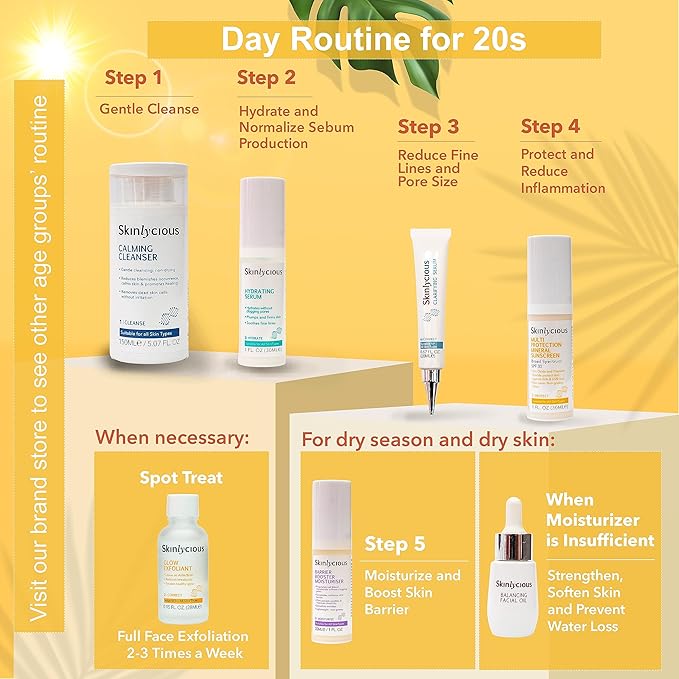
As the Final Step of Your Morning Routine
Apply after serums and moisturiser, as the last step before leaving the house. Apply liberally and evenly over the face 15 minutes before sun exposure. This allows the mineral filters to settle evenly on the skin’s surface for full protection.
Reapplication
Reapply at least every 2 hours if you are outdoors or in direct sunlight, as this is the standard recommendation for all sunscreens to maintain protection. If you are indoors and away from windows, reapplication is generally not necessary for the day.
For acne-prone skin, avoid reapplying over dirty or sweaty skin, as this can trap impurities and contribute to congestion. If you've been outdoors and your skin feels dirty or sweaty, blot with a clean tissue first, or wash your face again before reapplying.
Double Cleanse in the Evening
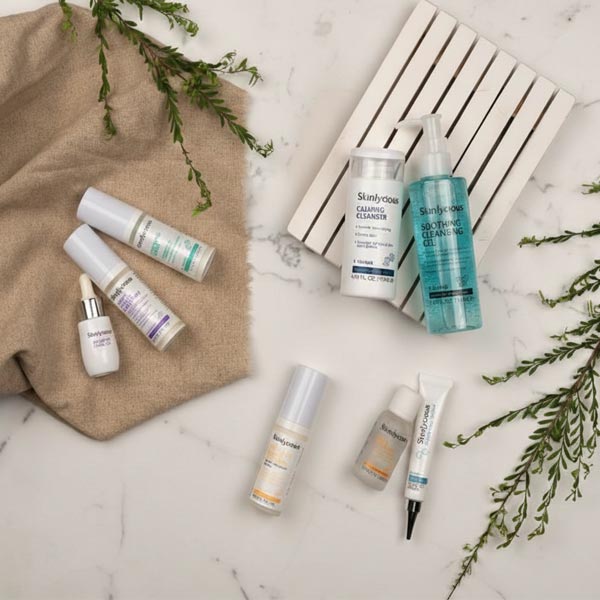
Mineral sunscreen requires a double cleanse to remove fully. Massage Soothing Cleansing Gel over a wet face and rinse off, then follow with Calming Cleanser as the second cleanse. Leaving mineral sunscreen residue on the skin overnight can contribute to congestion.
Description
AS FEATURED IN


Hear from our Happy Customers
Why Most Sunscreens Make Acne-Prone Skin Worse
For acne-prone skin, finding a sunscreen is one of the hardest steps in a skincare routine. Chemical sunscreens (the light, transparent liquid kind) are the easiest to formulate with no white cast. But studies have found that several chemical sunscreen ingredients are absorbed into the bloodstream after use, and have been detected in blood, urine, and breast milk. While current studies have not confirmed these chemicals are harmful, many people prefer not to use them, especially parents, pregnant women, and those with young children.
Most mineral sunscreens solve the chemical concern, but create a new one for acne-prone skin. Mineral formulas are notoriously heavy, greasy, and prone to leaving a thick white cast. Many mineral sunscreens clog pores and cause breakouts on acne-prone skin, leading people to skip sunscreen entirely, which accelerates the dark marks and scarring that acne leaves behind.
Multi Protection Mineral Sunscreen was developed to solve both problems at once. Pure mineral protection. No chemical filters. And, after 1.5 years of development and dozens of formulations that broke Jasmine out, a formula that finally doesn’t clog pores or trigger breakouts on acne-prone skin.

What Makes This Sunscreen Different
3 Reasons This Sunscreen Actually Works
Most sunscreens achieve their SPF ratings using chemical filters. They’re easier to formulate, lighter in texture, and leave no white cast. But chemical sunscreen ingredients have been found in studies to be absorbed into the bloodstream after a single application, and have been detected in blood, urine, and breast milk. While current research has not confirmed these chemicals cause harm, the science on long-term effects is still evolving.
Skinlycious chose 100% mineral filters (Zinc Oxide and Titanium Dioxide) specifically because they sit on the skin’s surface without being absorbed. For Jasmine, who spent years thinking carefully about what went on her skin and her children’s skin, this wasn’t a marketing choice. It was the only choice she was comfortable making for her family, and the one she’s comfortable recommending to yours.
Both Zinc Oxide and Titanium Dioxide are non-nano particle size (too large to penetrate the skin), which adds a layer of reassurance for sensitive skin, young children, and anyone who prefers a more conservative approach to skincare safety. Non-nano minerals are also more reef-safe: nano-sized zinc oxide has been shown in studies to be harmful to coral reefs. A choice that’s better for your skin and for the ocean.
Jasmine went through version after version of this formula, and each one broke her out. The mineral concentration that hit the SPF and PA targets kept causing congestion on her acne-prone skin. She kept going until she found the exact ratio that delivered the protection without the breakouts.
Why was it so hard? The entire formula hinges on the ratio of Zinc Oxide to Titanium Dioxide. But adjusting the concentration of either changes both the protection level and how the formula feels on skin. More protection often means heavier, more congesting texture. Getting both right at the same time (high protection, no breakouts) is the challenge most mineral sunscreens don’t solve.
The result: a formula that blocks 98% of UVB rays (comparable to SPF50) and provides high UVA protection of 88–94% (PA+++), which helps prevent sun-caused dark spots, freckles and premature ageing.
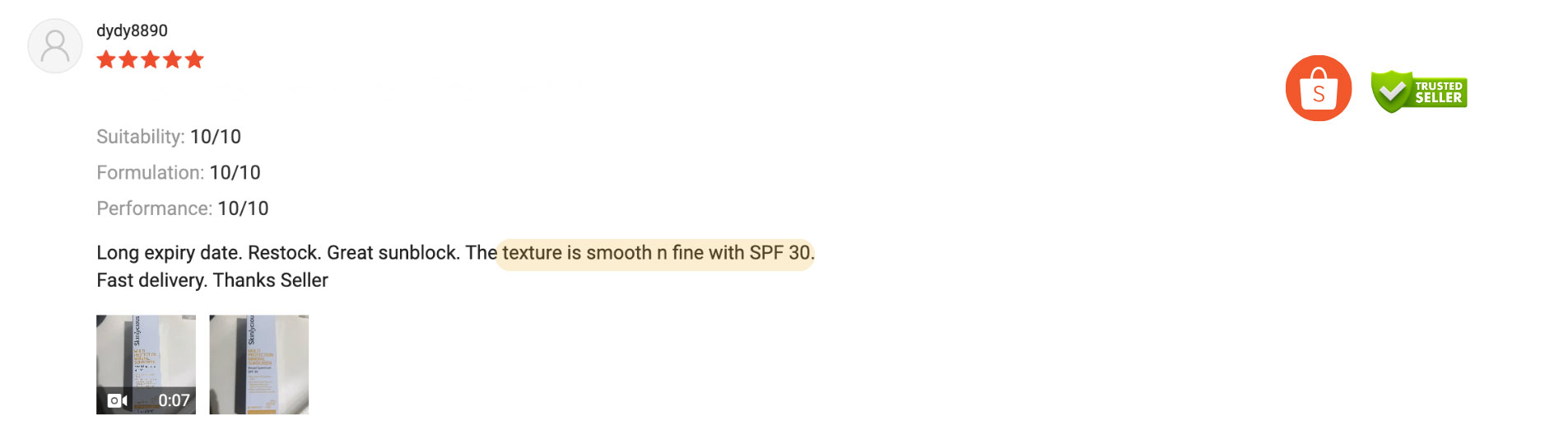
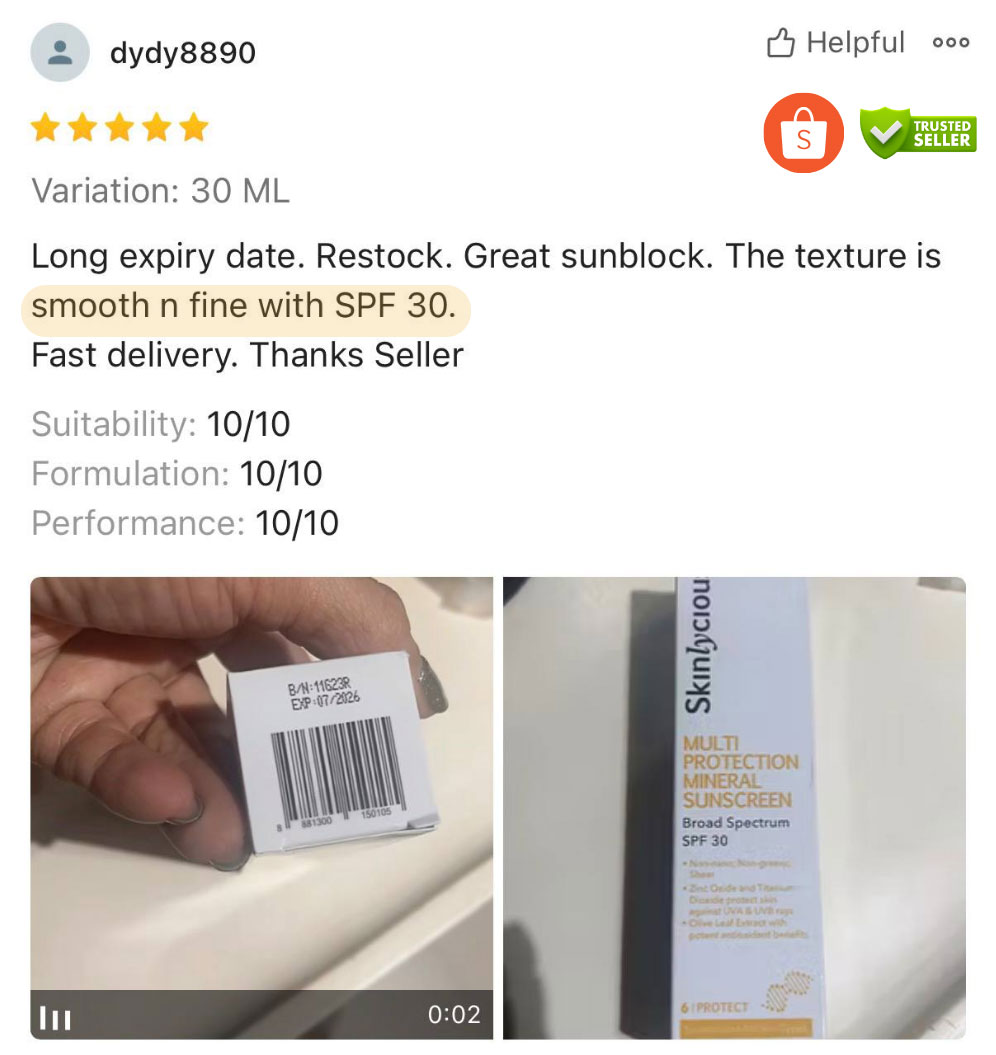
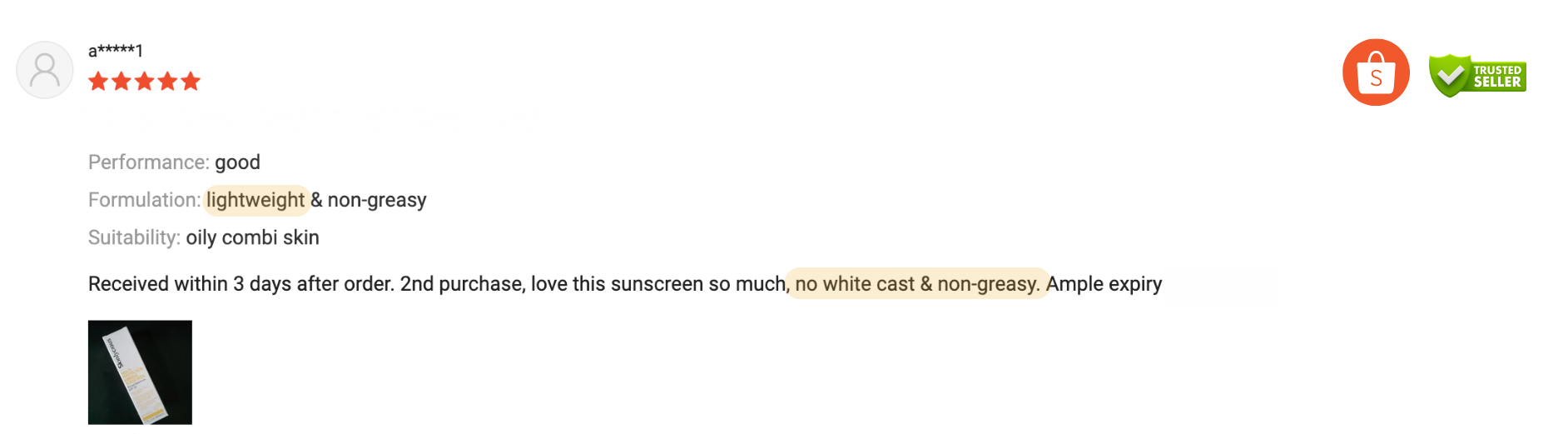
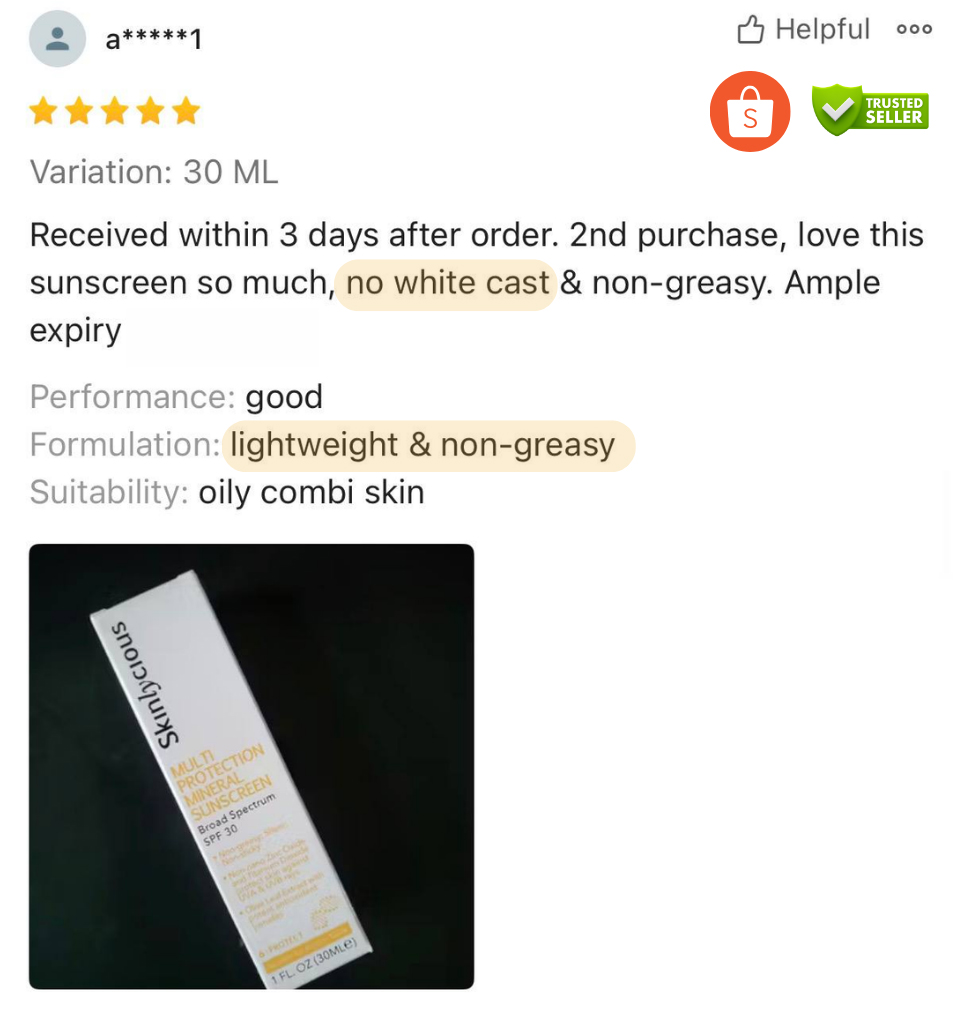
White cast is the most common complaint about mineral sunscreens, and the most common reason people avoid them altogether.
Achieving a no-white-cast mineral formula without going nano-sized requires carefully engineering how the mineral particles are dispersed. The right base allows the particles to spread evenly and blend into skin without clumping, eliminating the cast without shrinking the particle size to a level that raises safety questions.
The result is a formula that disappears into skin without residue, doesn’t add shine, and doesn’t feel greasy: a deliberate choice for acne-prone and oily skin that needs protection without weight.
Real People. Personalized Results.
Discover how others with similar skin struggles found their clear skin solution.
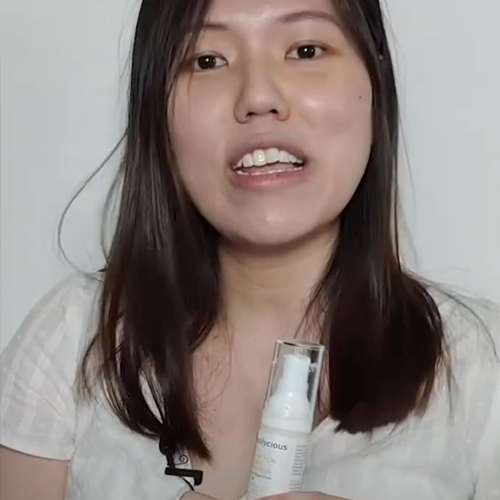
Perfect Under Makeup
★★★★★
“The Skinlycious Sunscreen is one of my top favorites. I don’t find it oily at all, and it doesn’t leave any white cast. It blends quite well with my skin, and I don’t notice any uneven skin tone after applying it. This sunscreen is great to use before applying makeup, and it doesn’t clog my pores at all.”
— Jeanne
See full review on Vimeo →
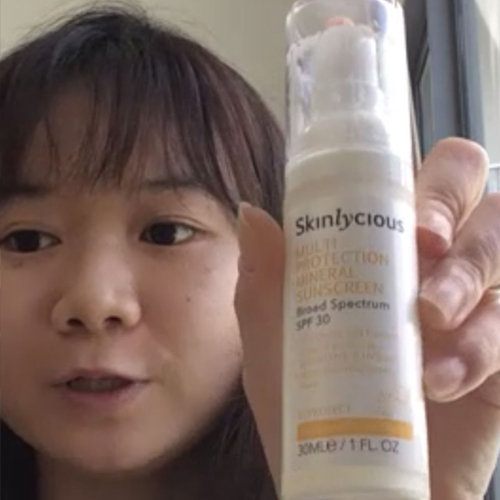
Oil Control Winner
★★★★★
“This Skinlycious Sunscreen is one of my favorites because it’s non-sticky, non-greasy, and actually controls the amount of oil produced. Even by midday, my face isn’t oily or sticky at all.”
— Vanessa
See full review on Youtube →
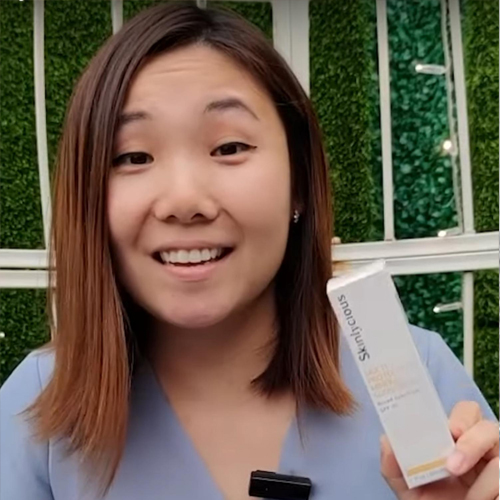
Perfect Skin Match
★★★★★
“I’ve finally found the perfect solution with the Skinlycious Sunscreen! It’s non-sticky, incredibly lightweight, and doesn’t add any oiliness. It’s exactly what my skin needed!”
— Cheryl
See full review on Youtube →
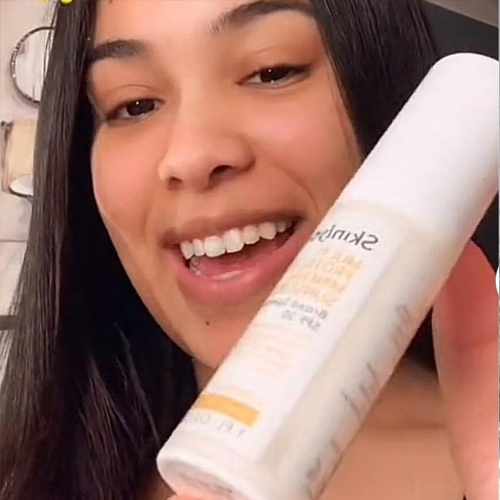
Everything I Wanted
★★★★★
“Are there any sunscreens out there that won’t break you out, won’t harm the planet, and won’t mess with your hormones? Yes, this one—the Skinlycious Sunscreen! It’s made with the perfect balance of minerals, so it doesn’t cause breakouts and doesn’t leave a white cast, even on colored skin. It’s honestly everything I was looking for in a sunscreen!”
— Safiya
See full review on Youtube →
Why Us vs. Everyone Else
|
Skinlycious
Mineral Sunscreen
|
Most
Mineral Sunscreen 
|
|
✓
100% mineral filters (non-nano Zinc Oxide + Titanium Dioxide), no chemical sunscreen ingredients
|
×
Most high-SPF sunscreens use chemical filters, some of which have been found to be absorbed into the bloodstream
|
|
✓
No white cast: non-nano mineral particles dispersed in a lightweight base that blends into skin
|
×
Many mineral sunscreens leave a visible white cast; avoiding it typically requires nano-sized particles
|
|
✓
SPF47 PA+++ (Asia) / SPF30 Broad Spectrum (US): 98% UVB + 88–94% UVA protection
|
×
Many mineral sunscreens sacrifice protection level to achieve lighter texture; chemical sunscreens achieve high SPF more easily
|
|
✓
Antioxidant + anti-pollution protection from Olive Leaf Extract, beyond UV coverage
|
×
Most sunscreens provide UV protection only, without antioxidant defence against free radical damage
|
|
✓
Tested on acne-prone skin through 1.5 years of development, formulated not to cause breakouts
|
×
Most mineral sunscreens are heavy and greasy, causing breakouts for acne-prone skin
|
|
✓
Co-developed with real people with acne-prone, oily, sensitive skin
|
×
Generic formulas created in labs without real-world input from problem skin
|
|
✓
Free from fragrance, essential oils, and common allergens: safe for sensitive skin, kids, and families
|
×
Many sunscreens contain fragrance that irritate sensitive skin
|
Frequently Asked Questions
Good Questions, Straight Answers
The difference is due to different regulatory requirements between regions, not a difference in the formula or protection level. In Asia, we can claim SPF47 PA+++ based on the testing and labelling standards in this market. In the US, sunscreen labelling requires that UVA protection be at least 1/3 the level of the SPF to make a “Broad Spectrum” claim, so our US label reads SPF30 Broad Spectrum. The formula is identical. The active ingredients and protection levels are the same regardless of where you buy it. The different numbers simply reflect how each market measures and reports the same protection.
Yes. SPF47 blocks 97.9% of UVB rays, almost the same level as SPF50, which blocks 98.0%. The difference is negligible in practice. The PA+++ rating provides 88–94% protection against UVA rays, the rays responsible for dark spots, freckles, and premature ageing. Achieving PA+++ with 100% mineral filters is genuinely difficult, which is part of why this formula took 1.5 years to develop. There’s no sunscreen that can block 100% of UVA and UVB rays.
Mineral sunscreens contain Zinc Oxide and/or Titanium Dioxide. They sit on the skin’s surface and physically reflect UV rays. Chemical sunscreens contain ingredients like Oxybenzone, Avobenzone, Octinoxate, Homosalate, and Octocrylene. They work by absorbing into the skin and converting UV rays into heat. Studies have found that chemical sunscreen ingredients are absorbed into the bloodstream after use and have been detected in blood, urine, and breast milk. Current studies have not confirmed these chemicals are harmful, but many people prefer mineral options as a precaution, especially for young children and during pregnancy. Skinlycious uses 100% mineral filters.
Nano-sized mineral particles are smaller than 100 nanometres and have raised questions about whether they can penetrate the skin barrier or be inhaled in spray products. Skinlycious uses non-nano Zinc Oxide and Titanium Dioxide (particles too large to penetrate the skin) as an additional safety consideration, particularly for sensitive skin, children, and long-term daily use.
This formula was specifically developed over 1.5 years on acne-prone skin to address exactly this concern. All testers, including one who initially reported breaking out, confirmed the formula did not cause breakouts after extended testing. That said, acne is multi-factorial, and individual skin responses can vary. If you are trying a new sunscreen, patch testing on a small area first is always a good practice.
Yes. Multi Protection Mineral Sunscreen contains only mineral UV filters and no chemical sunscreen ingredients, making it a more conservative choice for young skin. It is also free from fragrance, essential oils, and common allergens. We recommend consulting your paediatrician for very young children under 6 months, as current guidelines generally suggest keeping babies out of direct sun rather than applying any sunscreen.
Yes. Mineral sunscreen requires a double cleanse to remove fully. Use Soothing Cleansing Gel first to remove sunscreen, followed by Calming Cleanser as the second cleanse. Leaving mineral sunscreen residue on skin overnight can contribute to congestion.
All Skinlycious products are made in a certified GMP facility in Singapore, rigorously lab-tested, and notified with the US FDA, HSA, and NPRA.
Just give us 1-2 working days to prepare your order once you have placed your order and another 1-2 working days for the courier to deliver.
Do note that we don’t work on weekends and on Singapore’s Public Holidays.
Jasmine took more than a year to develop a full mineral sunscreen that didn’t break her out. The easy way out to achieve high UVA & UVB protection is with chemical screens but she didn’t want to use chemical screens as most chemical screens get broken down and might then be absorbed through the skin. The percentage tweak between Zinc Oxide and Titanium Dioxide was all that mattered. However, it took Jasmine so many versions of breaking out before finding the golden ratio. After finalising the formula that didn’t break Jasmine out, she sent out samples to her testers, who are existing customers. All but one reported that they loved it and were surprised that they didn’t break out with mineral sunscreen as they usually do. As we know, acne is multi-factorial. Jasmine decided to seek confirmation if the acne-prone skin tester truly broke out due to the sunscreen. In trials, we know of placebo effect. Jasmine then renamed it and sent the same formula to the tester, telling her it’s a different formula. After trying, tester came back to say all was good with the “new formula”. After Jasmine told the tester it’s the same formula, she was shocked but pleasantly surprised that she can finally use a mineral sunscreen. And so, we launched this sunscreen in peace knowing that all our testers did not break out and you most probably wouldn’t as well.
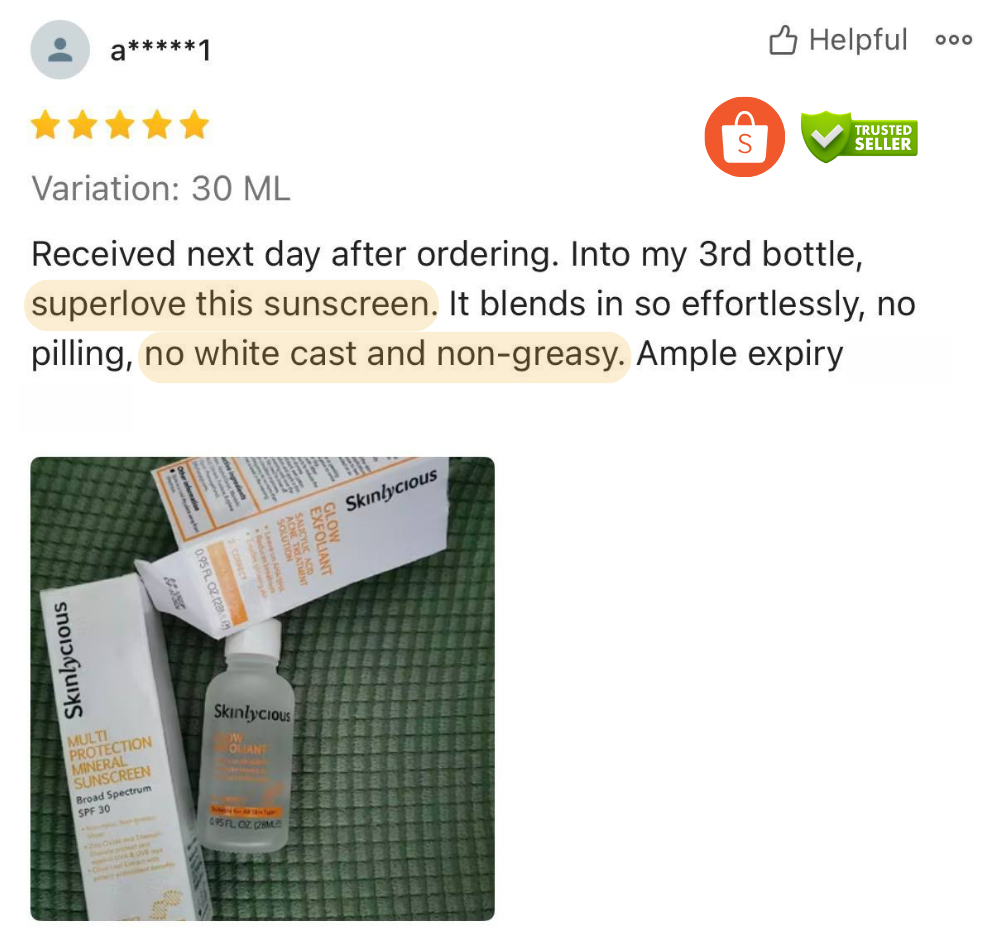
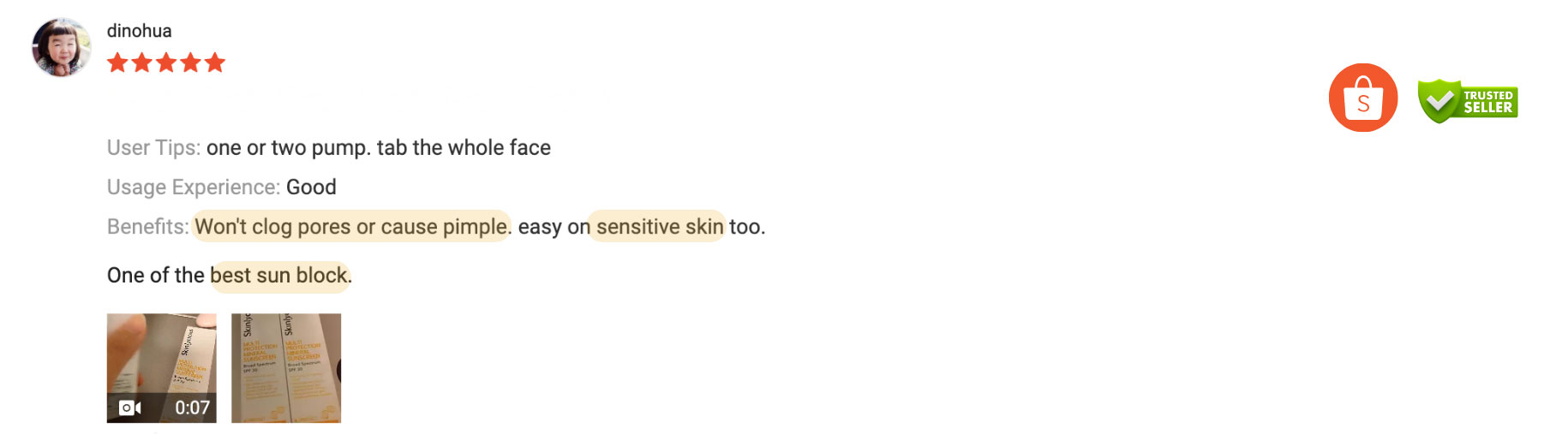
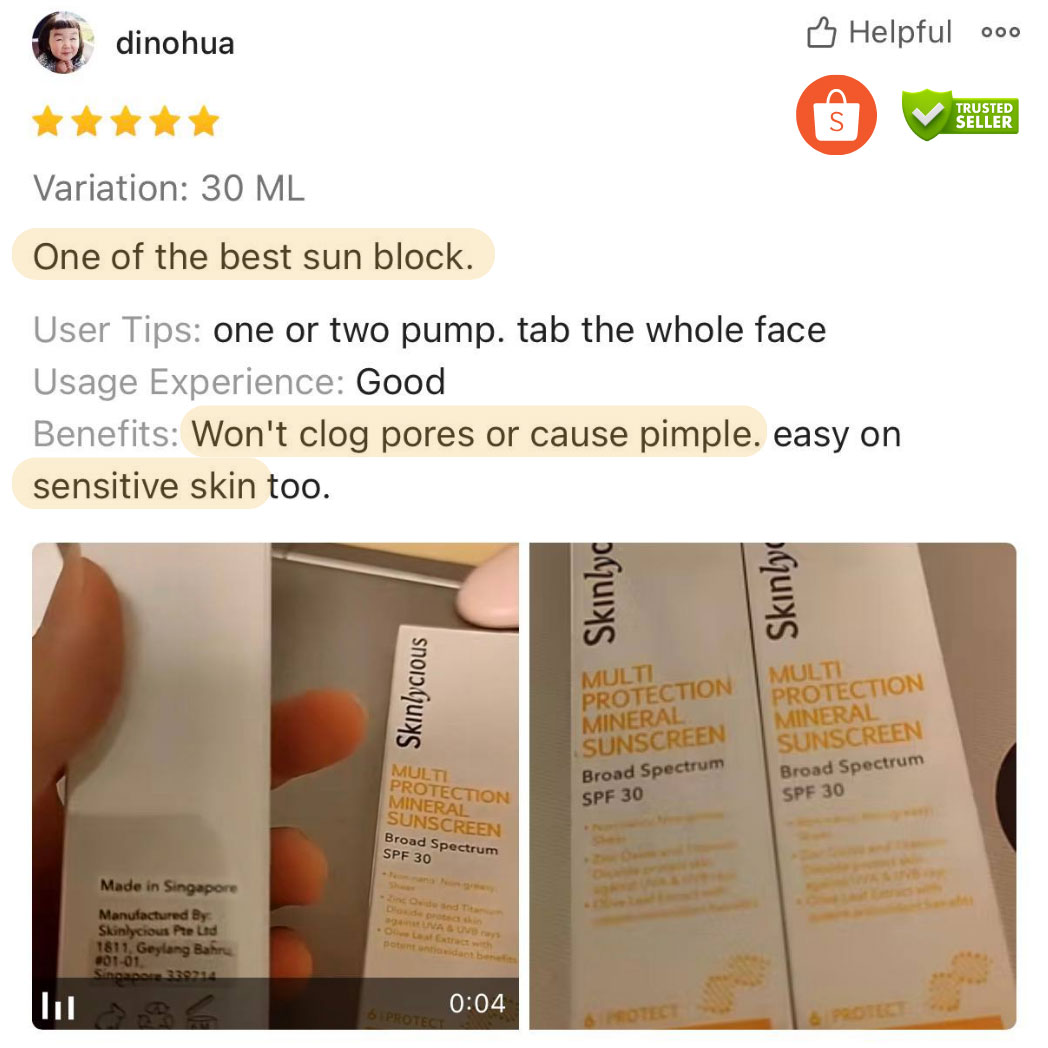
What Real Customers Are Saying
74 reviews for Multi Protection Mineral Sunscreen SPF47PA+++
You May Also Like
-
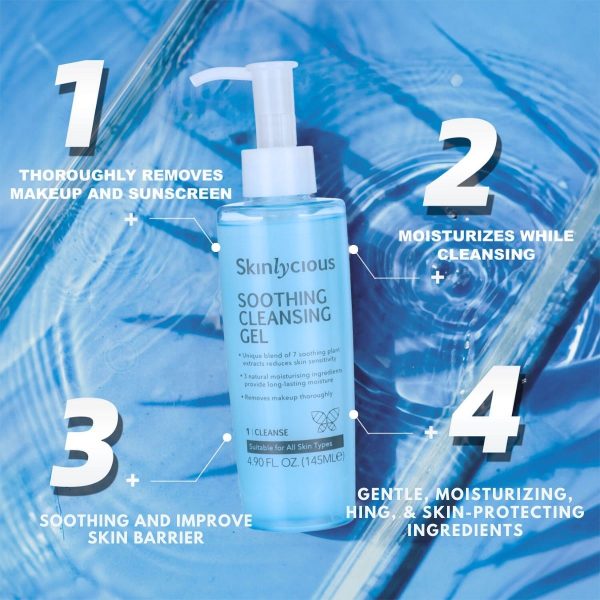
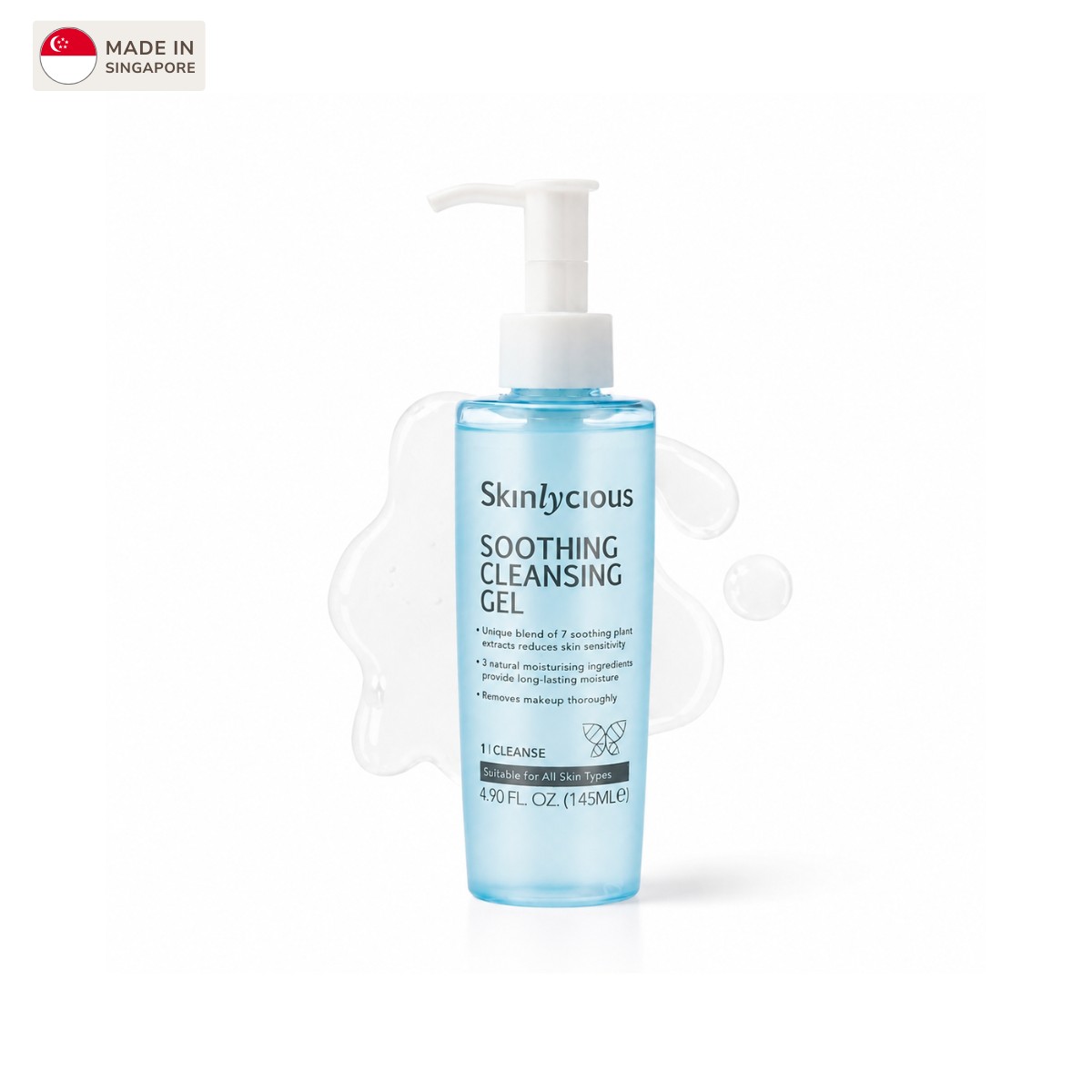
Soothing Cleansing Gel – 145ml
SGD 67.00Size: 145ml
-
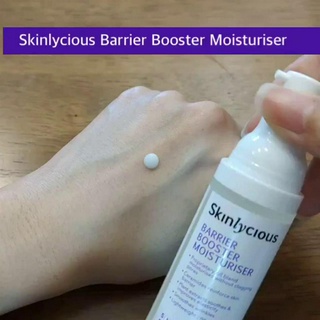
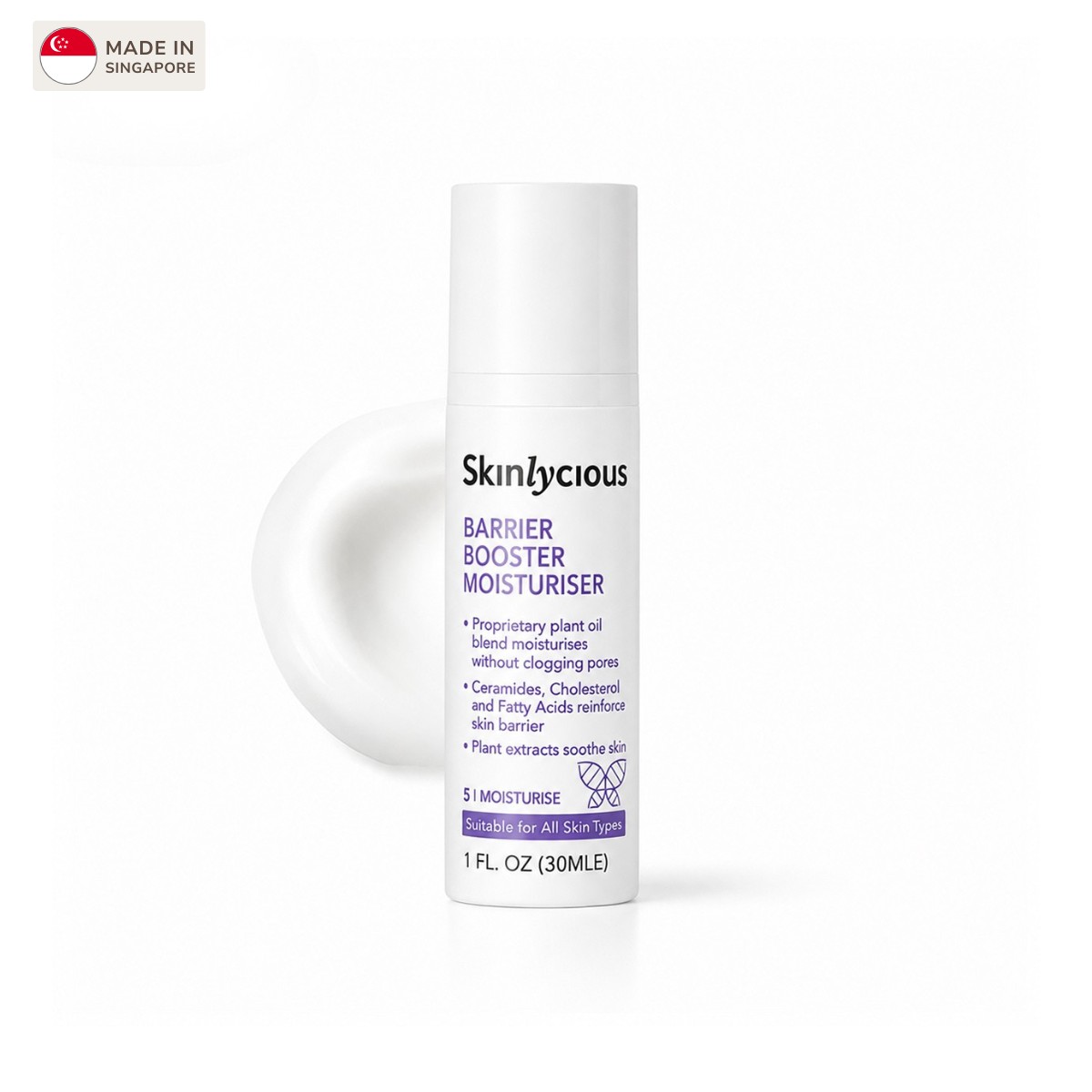
Barrier Booster Moisturiser – 30ml
SGD 52.00Size: 30ml
-
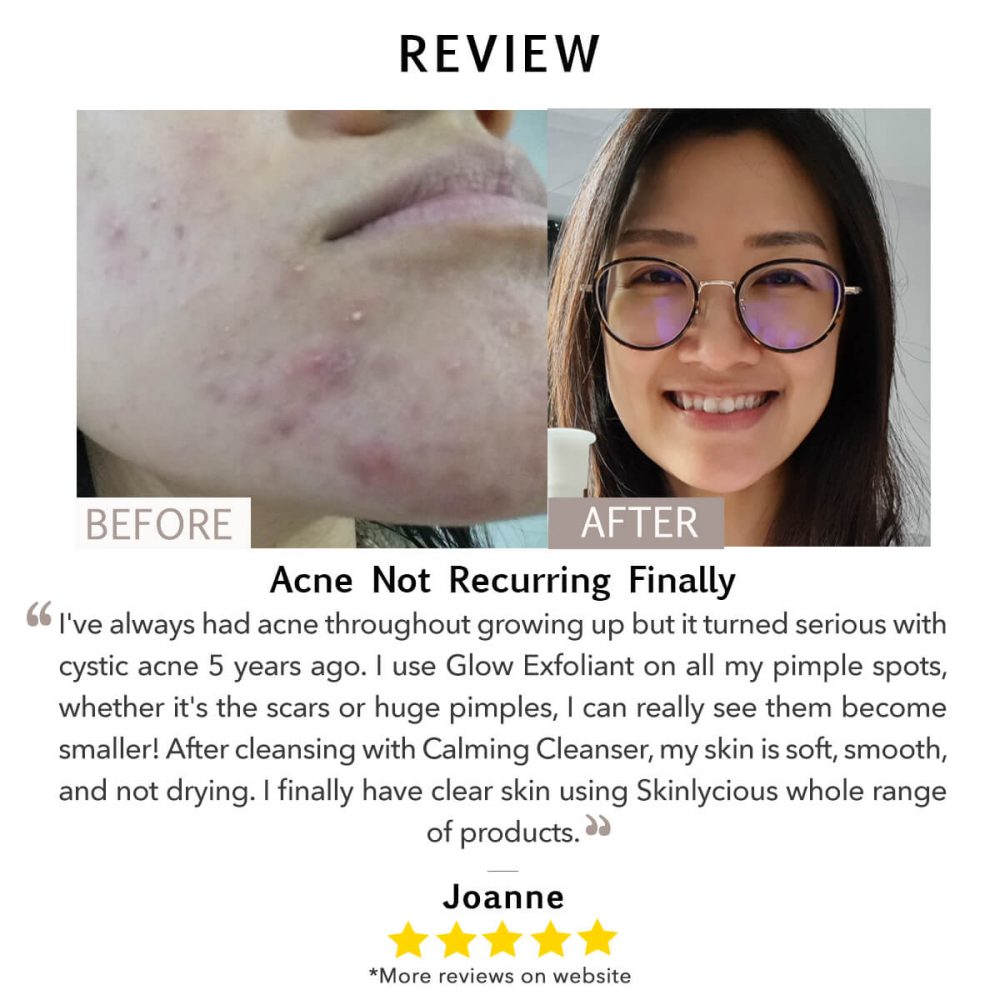
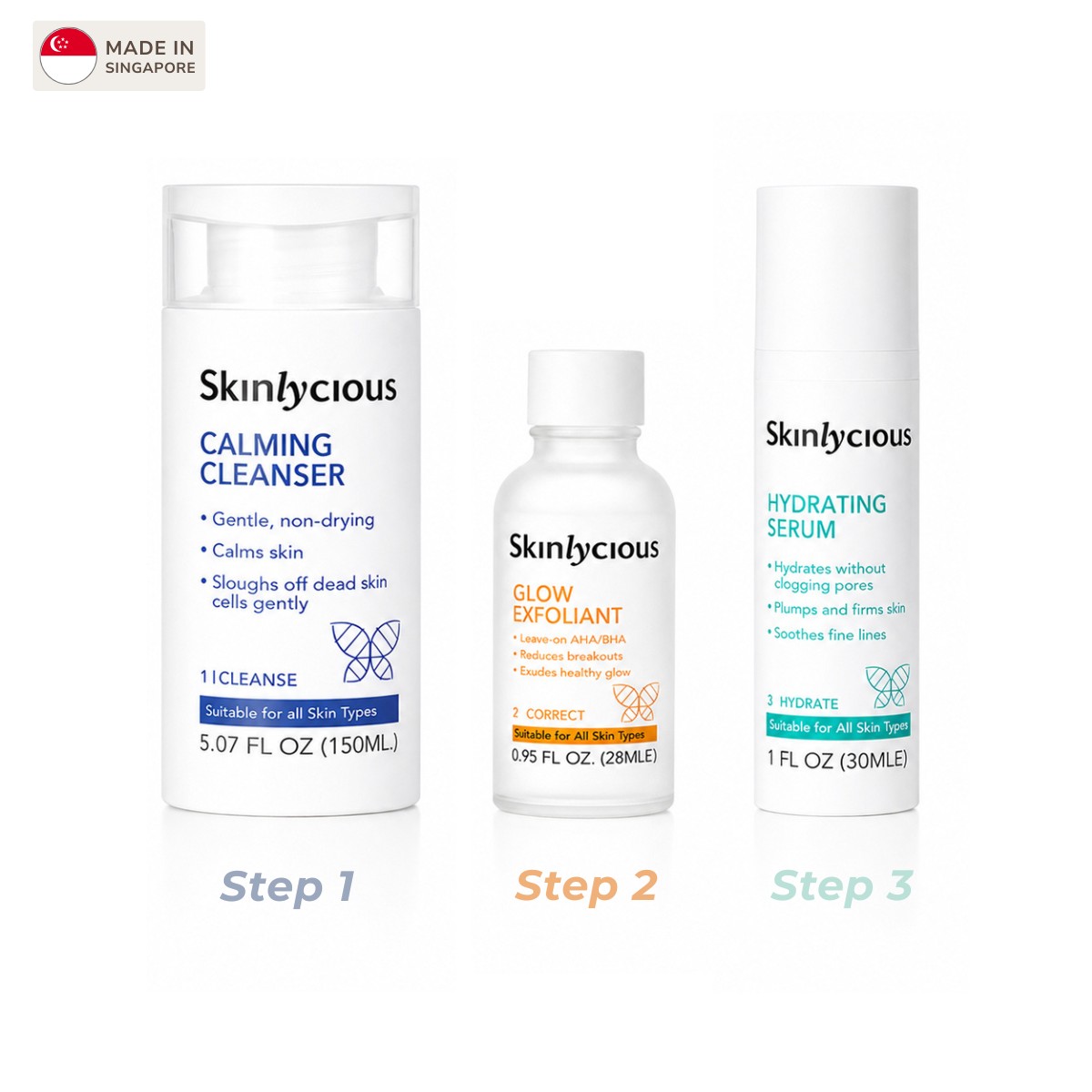
Clear Skin Potent Kit
Original price was: SGD 123.00.SGD 117.00Current price is: SGD 117.00.Fast-acting addressing the root causes of acne
-

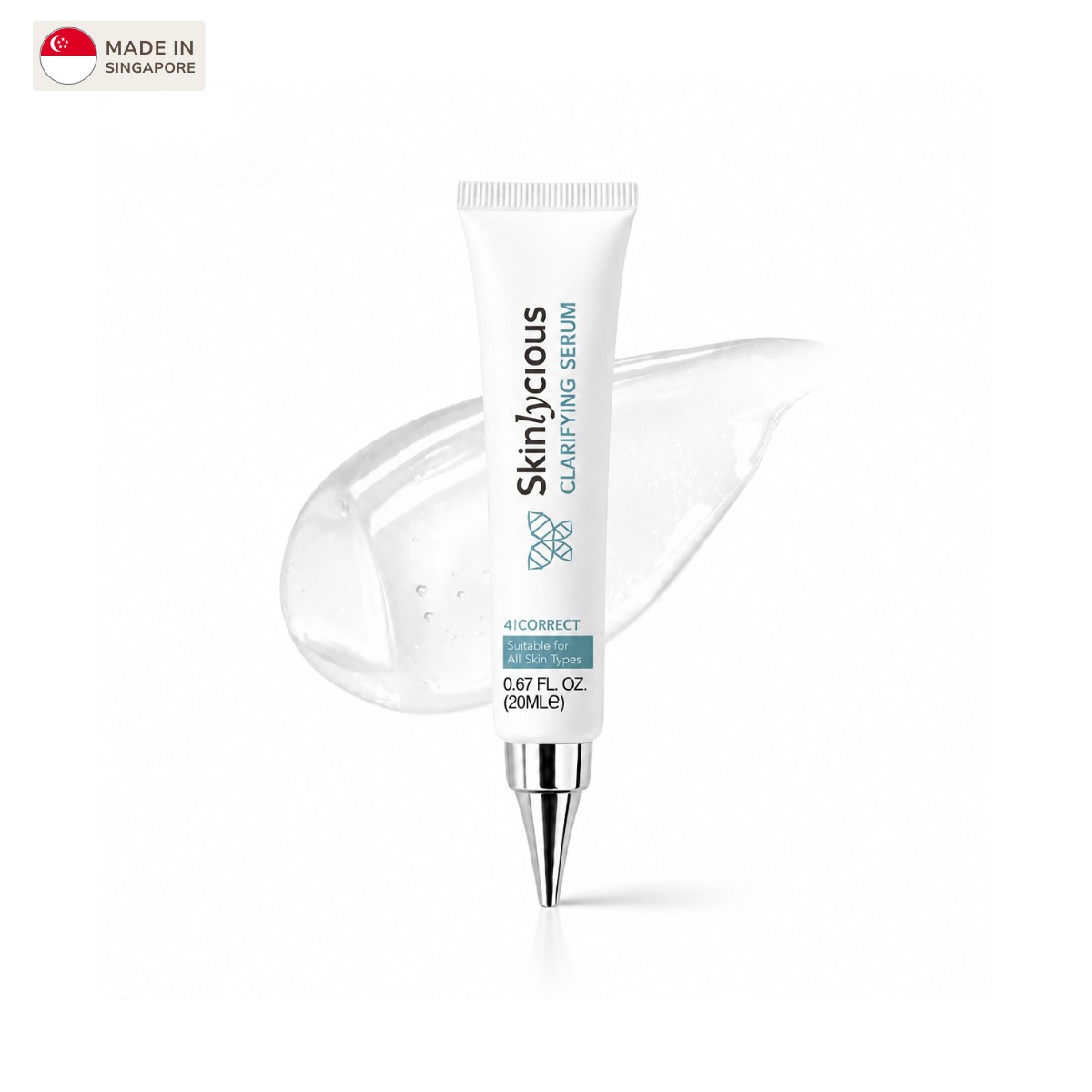
Clarifying Serum – 20ml
SGD 39.00Size: 20ml




a*****0 (verified owner) –
Texture:good
Suitability:good
Good for sensitive acne skin. Not oily and not white
a*****y (verified owner) –
Texture:non sticky
Suitability:good and provides some coverage in place of makeup
Bought multiple times
a*****0 (verified owner) –
Texture:non sticky
Suitability:good
Does not make skin oily at end of day .. no white cast
l*****l (verified owner) –
Packaging:good
Fragrance:no
User Tips:ok
Tried the trial pack initially and saw tremendous improvement on my teen’s face. Thus bought bigger botttle and added the sun screen